The traveller’s prayer benefits from several specific concessions in Islam, so that you can adapt your religious practice to the constraints of a journey without abandoning it.
This article presents the simplified rules that apply to prayer while travelling.
Contents
- Why are there concessions for the traveller?
- Shortening the prayers (qasr)
- Combining two prayers (jam’)
- From what distance do these concessions apply?
- Praying on a plane, train or in a car
- Equipping yourself to pray when travelling
- Frequently asked questions
Why are there concessions for the traveller?
Islam provides several concessions for the traveller, recognising the practical constraints and fatigue that come with journeys. Far from meaning that prayer is abandoned, these concessions make it possible to keep up this daily practice even while travelling, by adapting it wisely to the circumstances.
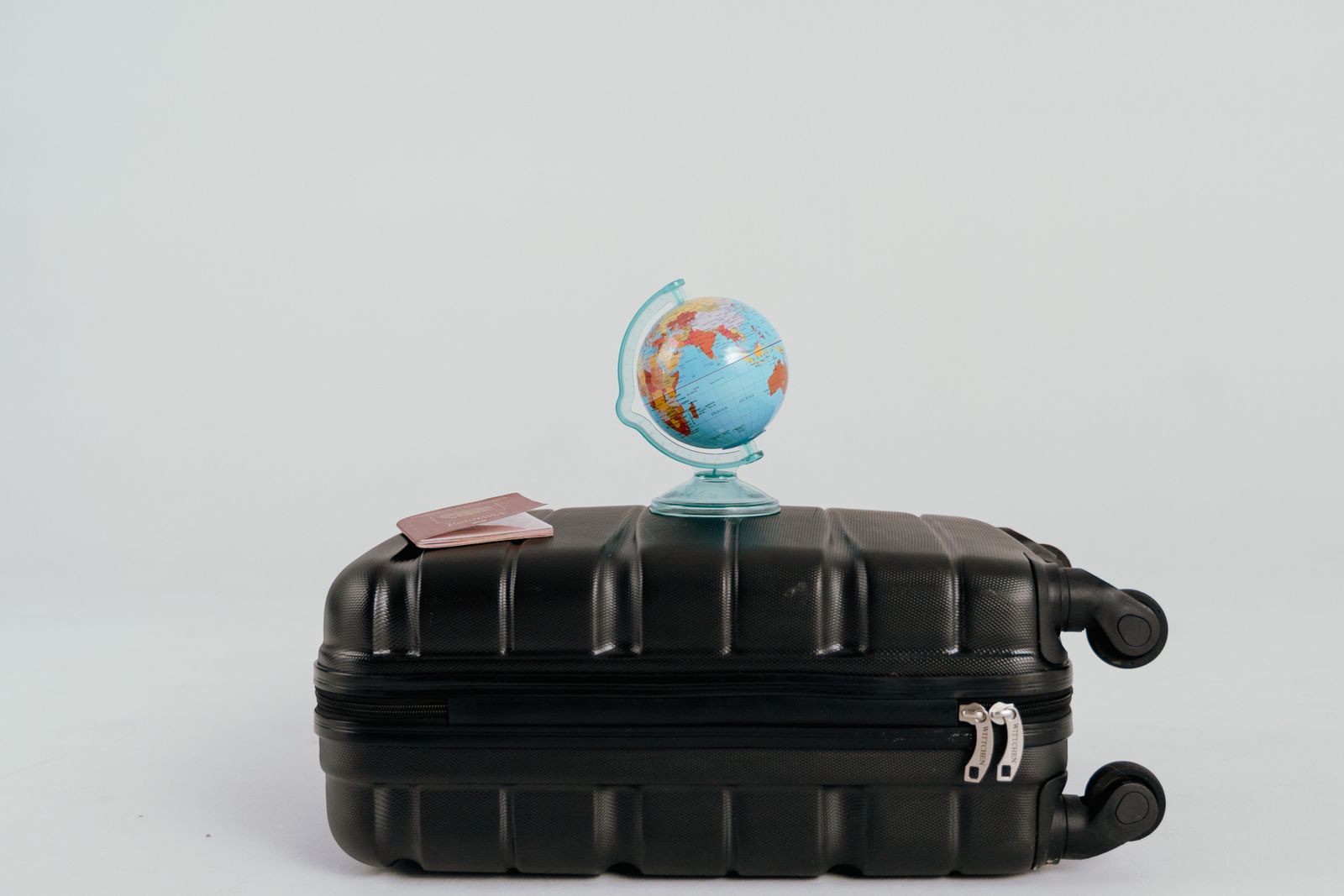
Shortening the prayers (qasr)
The traveller may shorten the four-rak’ah prayers (Dhuhr, Asr and Isha) to two rak’ahs each, a concession widely recognised by all the schools of jurisprudence. Fajr and Maghrib, which have two and three rak’ahs respectively, are not shortened.
Combining two prayers (jam’)
In addition to shortening, the traveller may also combine certain consecutive prayers — Dhuhr with Asr, and Maghrib with Isha — performing them one after the other at the time of the first or the second, depending on the circumstances of the journey. This concession is particularly useful on long journeys when it is difficult to observe each prayer time separately.
From what distance do these concessions apply?
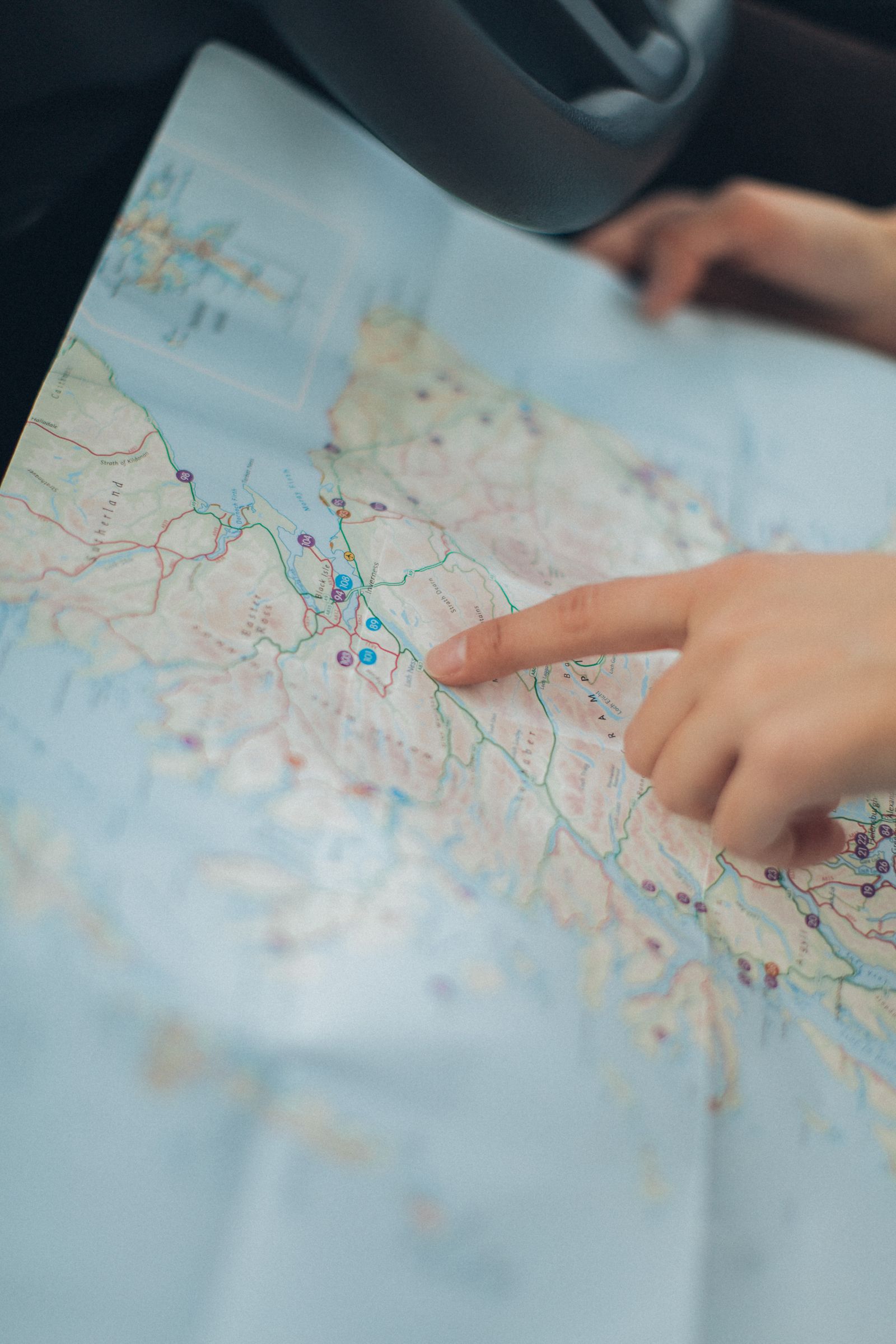
Opinions differ slightly between the schools of jurisprudence on the minimum distance from which these concessions apply, about 80 kilometres for the majority of scholars (48 miles); others go by what custom regards as a journey (see IslamQA, answer 38079). They stop applying once the traveller has settled for an extended temporary stay at the destination, according to criteria that also vary between schools.
Praying on a plane, train or in a car
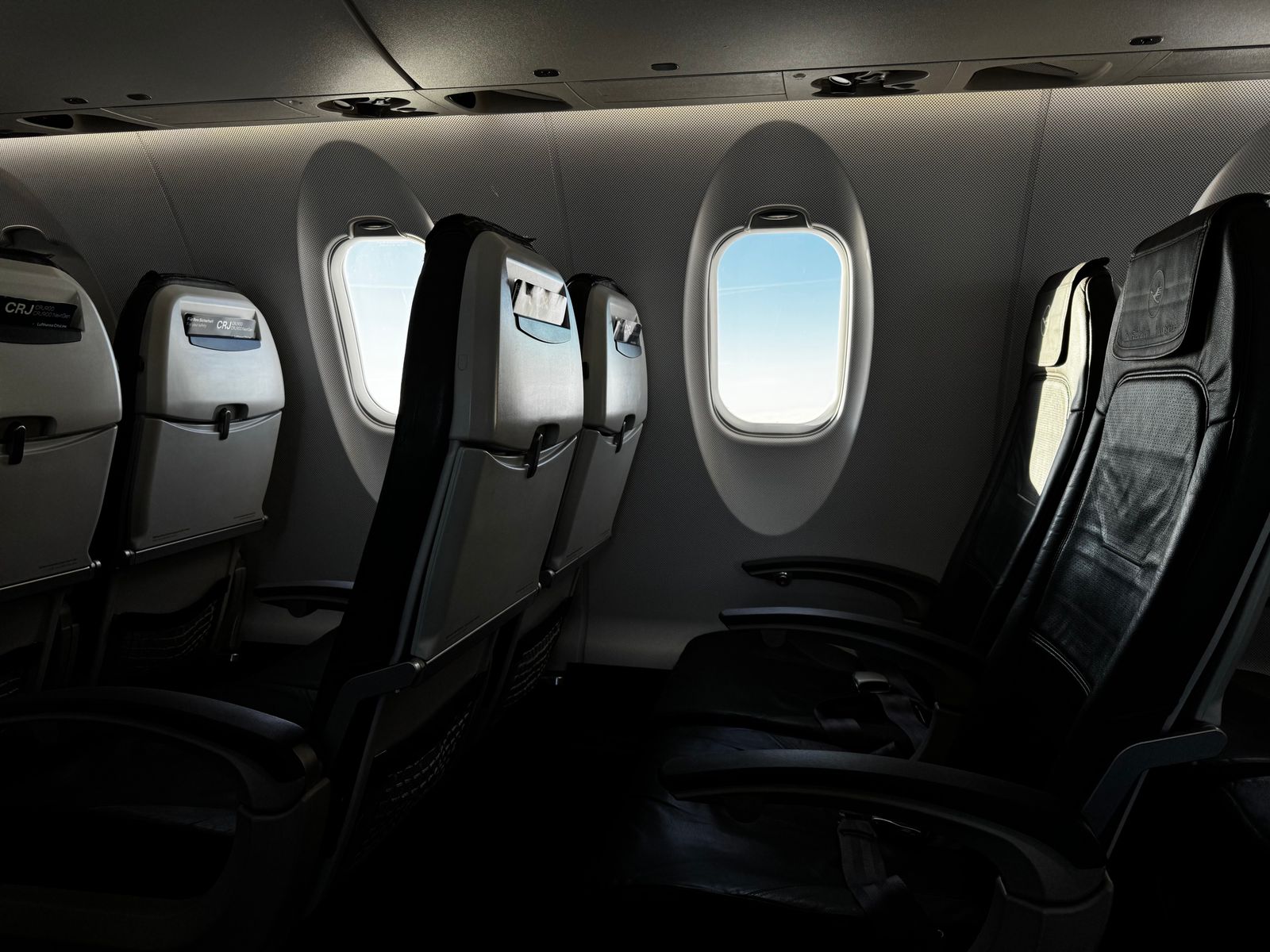
When prayer cannot be performed in the usual way because of travel conditions, several adaptations are allowed: praying seated when standing is impossible, facing the qibla approximately when it cannot be determined precisely, and simplified movements for the prostrations when space is limited. What matters most is not to abandon prayer despite the constraints of the journey.
Equipping yourself to pray when travelling
A light, foldable accessory makes praying on the move much easier, whether in an airport, a motorway service area or a hotel room. Our foldable prayer mats, such as our black prayer mat, designed to slip easily into your luggage, along with our more general guide how to pray in Islam, offer practical answers so that you never have to interrupt your practice while travelling.
Frequently asked questions
From what distance can prayers be shortened?
Opinions vary between schools, but the majority of scholars hold about 80 kilometres; others go by custom.
Which prayers can be shortened when travelling?
Dhuhr, Asr and Isha, which have four rak’ahs, can be shortened to two rak’ahs each.
Can two prayers be combined when travelling?
Yes, Dhuhr can be combined with Asr, and Maghrib with Isha, depending on the circumstances of the journey.
How can I pray on a plane if I can’t stand up?
You may pray seated, facing the qibla approximately, with simplified movements for the prostrations.
When do these concessions stop applying?
Once the traveller settles for an extended temporary stay at the destination, according to criteria that vary slightly between schools.