Teaching your child to pray is an important step in their religious education. It helps them build a personal relationship with Allah from an early age. Here are some practical tips to make this learning enjoyable, motivating and gradual.
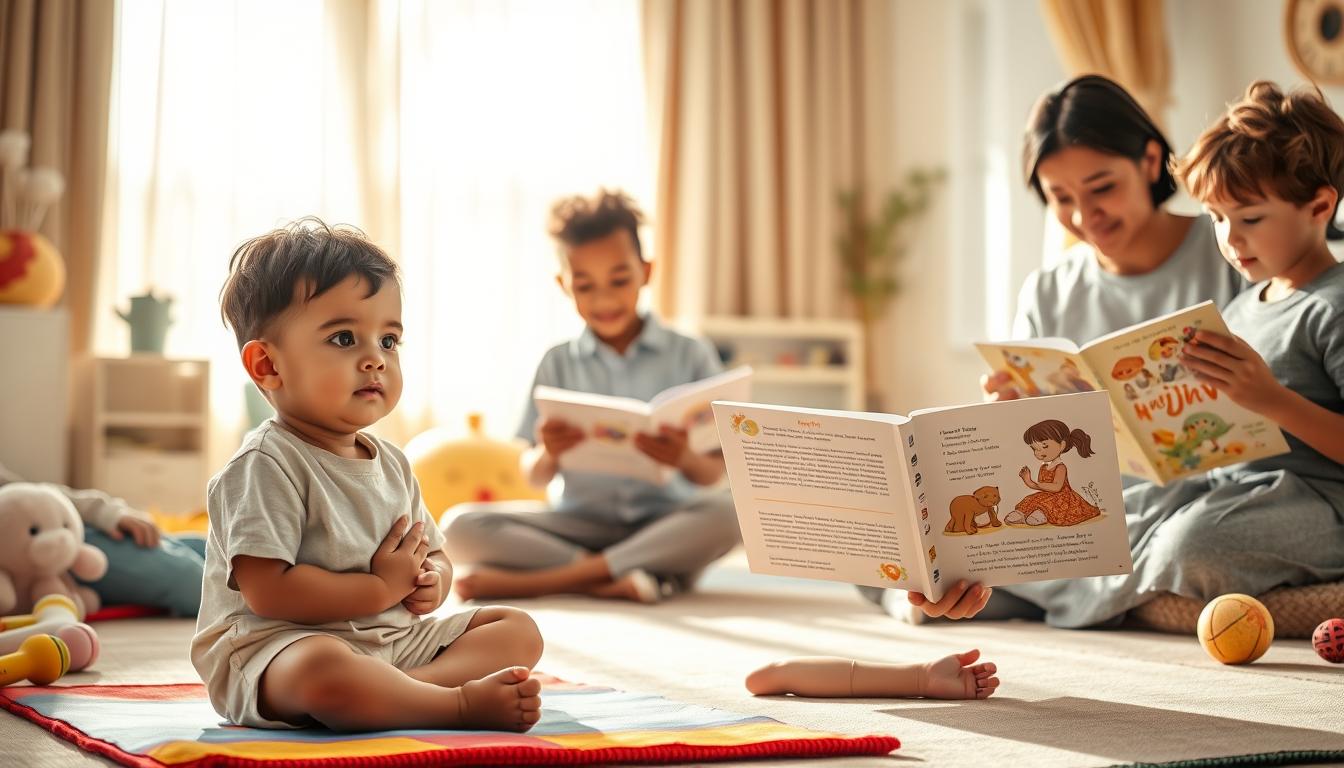
The Prophet ﷺ said: “Command your children to pray when they are seven years old” (Sunan Abi Dawud 495, graded hasan sahih by Al-Albani). Seven is therefore a landmark for asking a child to pray; the introduction can begin earlier, gently, through example and play.
1. Lead by example: parents as role models
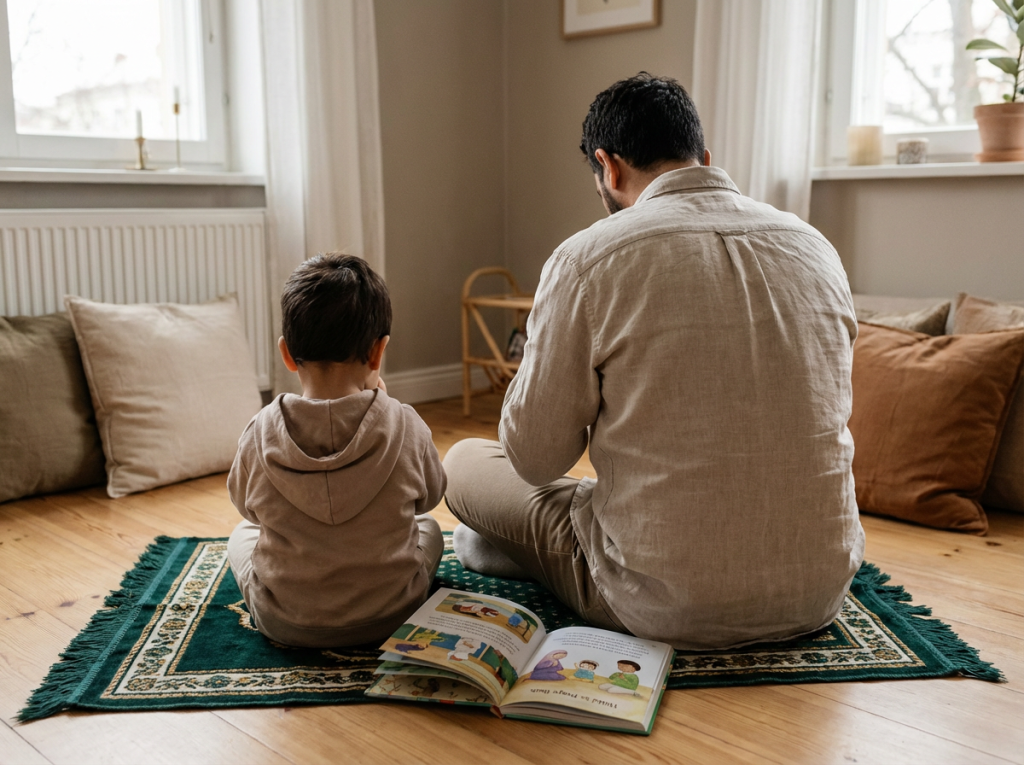
Children learn a great deal by imitation. The best way to teach the prayer is to practise it yourself regularly, in front of them.
- Pray in front of them: let your child see you pray. They will notice your movements, your concentration and the respect you give to this moment.
- Talk about the importance of prayer: explain why you pray and what it brings to your relationship with Allah.
- Involve them gently: even toddlers can sit next to you during the prayer, or imitate your movements.
2. Start early, in a playful way
An early, gentle introduction creates a positive association with the prayer, well before the age of seven.
- Around 3–4 years old: children love to imitate. Let them copy you on a small mat suited to their size. Don’t expect a perfect prayer: the goal is for them to enjoy this moment.
- Make it lively: repeat the call to prayer (adhan) with them, or suggest a little game where you lead the prayer and they pray behind you.
- Simple stories: tell age-appropriate stories to explain the steps of the prayer or the meaning of the short surahs.
3. The key stages of learning
Go step by step, without overwhelming the child.
- Ablutions (wudu): explain the importance of cleanliness and perform ablutions with them, showing each step. A small stool will help them reach the sink.
- The movements of the prayer: start with the movements (takbir, standing, bowing, prostration, sitting). Pictures can help them remember.
- Short surahs and supplications: start with Al-Fatiha, then short surahs such as Al-Ikhlas, Al-Falaq and An-Nas. Then teach the tashahhud and the prayer upon the Prophet ﷺ. Audio recordings let them listen and repeat.
- The number of rak’ahs: once the basics are in place, explain the number of rak’ahs in each prayer (2 for Fajr, 4 for Dhuhr, Asr and Isha, 3 for Maghrib), with visual cues to help them count.
4. Create the right environment
- A prayer corner: if possible, set aside a small quiet space at home with their mat. It helps to build a routine.
- Their own mat: a personal prayer mat suited to their size encourages them to pray. Our guide to the children’s prayer mat helps you choose it.
- Pray as a family: praying together, when possible, shows that prayer is part of the whole family’s life.
5. Encourage with patience
Praise effort rather than perfection, and be patient: every child moves at their own pace. A small chart of the week’s prayers can motivate older children. For yourself or an older child, our guide how to pray in Islam details every step.
Key points
- Parents’ example is the first lesson.
- The Prophet ﷺ set the age of seven as a landmark for commanding the prayer (Abu Dawud 495); the introduction can begin earlier, gently.
- Go step by step: ablutions, movements, short surahs, then the number of rak’ahs.
- A prayer corner and a personal mat help to build the routine.